
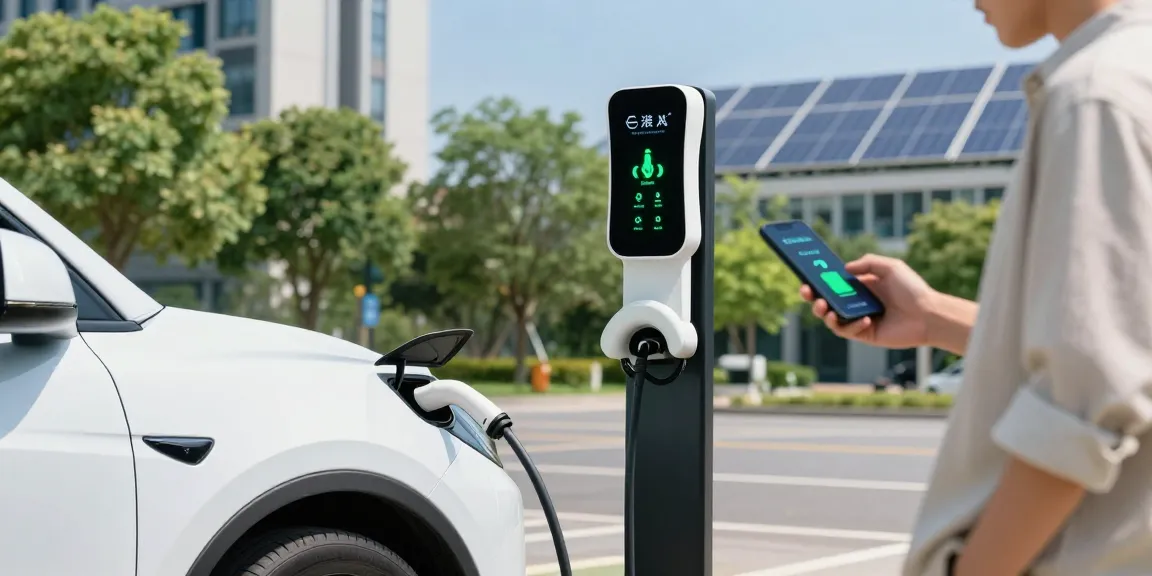
Understanding EV Technology: The Basics
Electric vehicles (EVs) are transforming the automotive landscape, presenting a sustainable alternative to traditional internal combustion engine vehicles. As we move into 2026, the significance of EV technology has become increasingly apparent, driven by advancements in battery efficiency, charging infrastructure, and consumer awareness. This article explores the foundations of EV technology, its current trends, challenges to adoption, and future predictions that could reshape the automotive industry.
What is EV Technology?
EV technology refers to the innovations and systems powering electrically driven vehicles. These vehicles primarily rely on electric motors and batteries instead of traditional gasoline or diesel engines. The core components include the electric motor, battery packs, regenerative braking systems, and the control systems that efficiently manage these parts. The technology not only enhances vehicle performance and efficiency but also contributes significantly to reducing greenhouse gas emissions.
Types of Electric Vehicles Explained
Understanding the types of electric vehicles is crucial for consumers and industry stakeholders alike. The main categories include:
- Battery Electric Vehicles (BEVs): Fully powered by electricity, storing energy in large battery packs and producing zero tailpipe emissions.
- Plug-in Hybrid Electric Vehicles (PHEVs): Combine a gasoline engine with an electric motor, allowing for a limited all-electric range before switching to gasoline.
- Hybrid Electric Vehicles (HEVs): Use both an internal combustion engine and electric propulsion, with the battery primarily charged through regenerative braking.
- Fuel Cell Electric Vehicles (FCEVs): Generate electricity using hydrogen and oxygen, emitting only water vapor as a byproduct.
How EV Technology Works
At the heart of EV technology is the electric motor, which converts electrical energy into mechanical energy to drive the vehicle. Batteries are rechargeable units that store electrical energy, allowing for an extended range. Regenerative braking captures energy usually lost during braking and feeds it back into the battery. This synergy between components enhances efficiency and contributes to the longevity of EVs. Additionally, advanced software systems manage the power distribution between the motor, battery, and auxiliary systems, optimizing performance while keeping energy consumption low.
Current Trends in EV Technology for 2026
The electric vehicle market is evolving rapidly, influenced by several significant trends that are shaping its future. As we head deeper into 2026, the integration of cutting-edge technologies will play a pivotal role in defining the EV landscape.
Advancements in Battery Technology
Battery technology remains a focal point in the development of EVs. Innovations such as solid-state lithium batteries promise to provide higher energy density, faster charging times, and enhanced safety compared to traditional lithium-ion batteries. Research is also underway to explore alternatives such as sodium-ion and lithium-sulfur batteries, which could potentially reduce costs and environmental impact. Moreover, battery recycling techniques are being developed to minimize waste and improve sustainability within the EV battery lifecycle.
Charging Infrastructure Developments
A robust and accessible charging infrastructure is essential for the widespread adoption of electric vehicles. By 2026, we can expect substantial advancements in charging technology, including the deployment of ultra-fast chargers that can replenish battery life in minutes rather than hours. Moreover, initiatives aimed at integrating charging stations within urban planning will make charging more convenient for users. Innovations such as wireless charging and smart charging solutions are also on the horizon, enabling EVs to communicate with the grid and optimize charging times based on demand and electricity rates.
Integration with Smart Grid Technology
The future of EV technology is also closely intertwined with smart grid developments. As more EVs are deployed, they will interact dynamically with the power grid through vehicle-to-grid (V2G) solutions. This integration allows EVs not only to draw energy from the grid but also to supply energy back during peak demand times, enhancing grid stability. Managing this symbiosis will be a critical aspect of energy management, optimizing resource distribution and contributing to broader sustainability goals.
Challenges Facing EV Technology Adoption
Despite the promising developments in EV technology, several challenges still hinder its broader adoption. Addressing these issues is vital for the industry to thrive.
High Costs and Economic Barriers
The initial cost of purchasing electric vehicles remains a significant barrier for many consumers. While the total cost of ownership often favors EVs due to lower maintenance and fuel costs, the upfront investment can be daunting. Government incentives and subsidies are crucial to bridge this gap and encourage consumer adoption. Additionally, manufacturers are working on achieving economies of scale to bring down production costs and offer more affordable models.
Charging Infrastructure Limitations
Another major obstacle is the availability and accessibility of charging stations. Many regions lack sufficient charging infrastructure, leading to range anxiety among potential EV owners. Expanding the network of charging stations, particularly in rural areas and along major travel routes, will be essential to alleviate these concerns. Collaborative efforts between public and private sectors are increasingly necessary to develop comprehensive charging solutions.
Consumer Misconceptions about EVs
Public perception and understanding of electric vehicles also play a critical role in their adoption. Misconceptions about the range, performance, and environmental benefits of EVs continue to persist. Consumer education campaigns that highlight the advantages of switching to electric, combined with real-world testimonials, can help dismantle these myths and foster a more positive attitude toward EV technology.
Future Predictions for EV Technology
Looking ahead, the future of EV technology appears bright, with numerous emerging trends and innovations on the horizon.
Emerging Technologies and Innovations
Future advancements in EV technology may include further enhancements in battery efficiency, with an emphasis on solid-state designs and alternative chemistries. Innovations like autonomous driving capabilities are also expected to become increasingly integrated with electric vehicles, potentially altering how consumers perceive and interact with transportation.
Projected Market Growth and Demand
The global electric vehicle market is projected to continue its rapid growth, driven by increasing consumer demand for sustainable transportation options and stricter emissions regulations. Analysts predict that EVs will constitute a significant share of new vehicle sales by the end of the decade, as automakers ramp up production and diversify their offerings.
Impact of Government Policies on EV Adoption
Government policies and regulations will significantly influence the future of electric vehicles. Enhanced incentives for consumers and manufacturers, alongside investments in charging infrastructure and renewable energy sources, will be critical in accelerating EV adoption. Policymakers are expected to continue implementing measures aimed at reducing carbon emissions, promoting the transition towards electric mobility.
Practical Applications of EV Technology
The practical applications of EV technology extend beyond individual consumer vehicles. Understanding how these technologies are integrated into various sectors can provide insight into their broader impact.
Real-World Case Studies of EV Implementations
Several cities and organizations have already begun implementing electric vehicles into their fleets, showcasing the potential benefits of EV technology in real-world settings. For example, numerous municipalities are transitioning public transportation buses to electric models, significantly reducing local emissions and operating costs. Additionally, companies are adapting their logistics operations by incorporating EVs into their delivery trucks, ultimately driving down their carbon footprints.
Integrating EV Technology in Daily Life
Integrating electric vehicles into daily life can lead to improved convenience and efficiency. Smart home systems that synchronize charging with off-peak hours or utilize solar energy for charging installations are becoming increasingly popular, allowing consumers to harness renewable energy effectively.
Environmental Benefits of Electric Vehicles
The environmental benefits of adopting electric vehicles are vast. By reducing dependency on fossil fuels and lowering greenhouse gas emissions, EV technology contributes to healthier air quality and less climate change. Transitioning to electric vehicles represents a crucial step in combating environmental challenges and promoting sustainability.
What are the benefits of EV technology?
EV technology offers numerous benefits, including reduced emissions, lower operating costs, enhanced energy efficiency, and a decreasing reliance on fossil fuels. These advantages not only benefit individual consumers but also contribute to global sustainability efforts.
How will EV technology evolve in the next decade?
In the upcoming decade, we can expect significant advancements in battery technology, charging infrastructure, and integration with renewable energy sources. As more innovations emerge, electric vehicles will likely become more accessible, affordable, and efficient, redefining the transportation landscape.
What are the most popular types of electric vehicles?
The most popular types of electric vehicles include Battery Electric Vehicles (BEVs), Plug-in Hybrid Electric Vehicles (PHEVs), and Hybrid Electric Vehicles (HEVs). Each category offers distinct advantages, catering to various consumer needs and preferences.
What is the biggest challenge for EV adoption today?
The biggest challenge for EV adoption today remains the high costs associated with electric vehicles and the inadequate charging infrastructure available in many regions. Addressing these barriers will be essential for widespread consumer acceptance.
How does EV technology contribute to sustainability?
EV technology contributes to sustainability by reducing emissions, enhancing energy efficiency, and minimizing reliance on finite fossil fuel resources. As more individuals adopt electric vehicles, the collective impact can lead to substantial environmental benefits and drive market transformations.