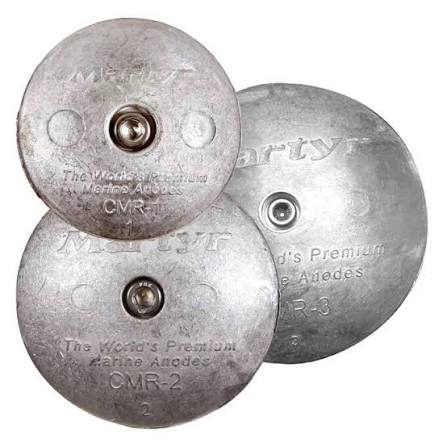
Why Anodes for hull and Rudder Are Essential for Long-Term Boat Protection
Owning a boat involves more than routine cleaning and engine maintenance. One of the biggest threats to any vessel is corrosion, especially when metal components remain underwater for long periods. While corrosion often develops slowly, it can eventually lead to expensive repairs if left unchecked. This is why Anodes for hull and Rudder are considered an essential part of every boat's maintenance plan.
These sacrificial anodes are designed to protect important underwater metal parts by corroding before the hull or rudder can be damaged. They are a simple yet highly effective solution for extending the life of your boat and reducing maintenance costs.
When different metals are submerged in water, an electrochemical reaction known as galvanic corrosion can occur. Without protection, valuable components such as the hull, rudder, propeller, or shafts may gradually deteriorate.
Sacrificial anodes solve this problem by using a metal that is more reactive than the parts they protect. Instead of allowing corrosion to attack expensive marine equipment, the anode slowly wears away over time. Once it has reached the end of its service life, it can simply be replaced.
Why Hull and Rudder Protection Matters
The hull and rudder are constantly exposed to water, making them particularly vulnerable to corrosion. Damage to these components can affect not only the appearance of the boat but also its safety, steering performance, and operating efficiency.
Installing Anodes for hull and Rudder helps provide continuous protection against corrosion, reducing the risk of structural damage and extending the lifespan of critical underwater components.
Choosing the Right Anode Material
Marine anodes are available in different materials depending on the type of water where the boat is used.
The most common options include:
- Zinc anodes for saltwater environments.
- Aluminum anodes for both saltwater and brackish water.
- Magnesium anodes for freshwater applications.
Selecting the correct material improves protection and ensures the anodes perform as intended.
Signs That Your Anodes Need Replacing
Because sacrificial anodes are designed to wear away, regular inspection is important. Replacing them at the right time helps maintain continuous corrosion protection.
You should inspect your anodes if you notice:
- Significant surface wear.
- Deep pitting or erosion.
- Cracks or loose fittings.
- More than half of the anode has been consumed.
Routine inspections are often recommended whenever the boat is lifted out of the water.
Simple Maintenance Tips
Keeping your corrosion protection system in good condition doesn't require complicated maintenance.
A few helpful practices include:
- Inspect anodes during every haul-out.
- Tighten mounting hardware if necessary.
- Remove marine growth around the anodes.
- Replace worn anodes before they are completely consumed.
- Use the correct anode material for your boating environment.
Following these steps helps maintain effective protection throughout the boating season.
Benefits of Installing Quality Anodes
Using high-quality anodes offers several long-term advantages.
- Protects underwater metal components from corrosion.
- Reduces expensive repair and replacement costs.
- Improves the lifespan of the hull and rudder.
- Helps maintain reliable steering performance.
- Provides peace of mind during extended time on the water.
These small components can save boat owners significant maintenance expenses over the lifetime of their vessel.
Final Thoughts
Corrosion is a natural challenge for every boat, but it can be effectively managed with the right protection. Anodes for hull and Rudder provide a practical and affordable way to safeguard essential underwater components from galvanic corrosion. By choosing the correct anodes, inspecting them regularly, and replacing them when necessary, boat owners can enjoy greater reliability, lower maintenance costs, and better long-term performance every time they head out on the water.